
Microplastics
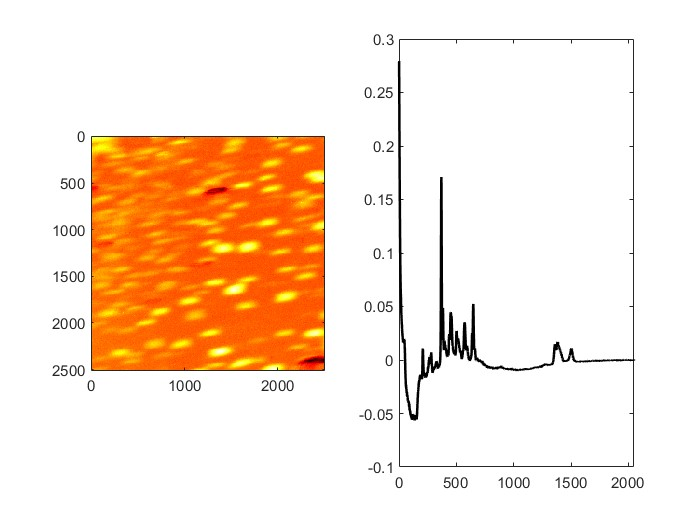
We are using Raman spectroscopy to identify the types of microplastics found in Utah environments such as lakes, rivers, and snowpack. This will help us learn how these pollutants enter and migrate throughout the local environment.
Graphene
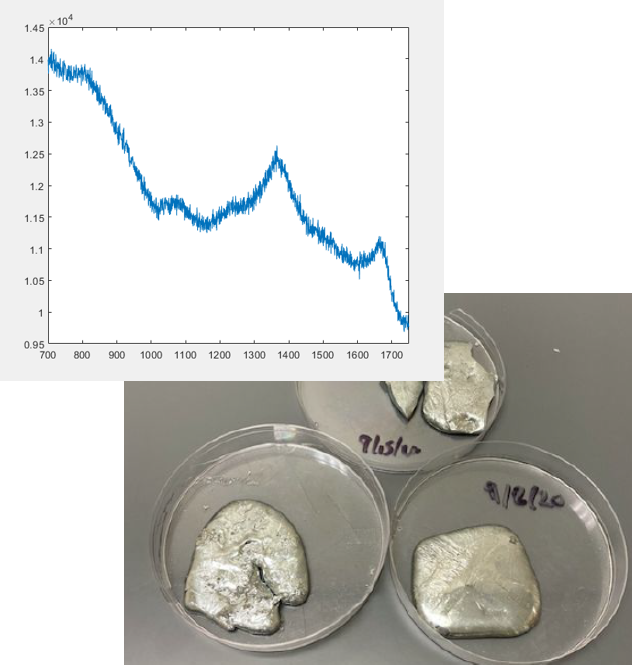
We are developing procedures to use Raman spectroscopy to evaluate the quality of graphene and other forms of carbon. This will enable us to evaluate graphene manufacturing techniques and identify microscopic defects within these samples.
Computer Simulations and Artificial Tissues
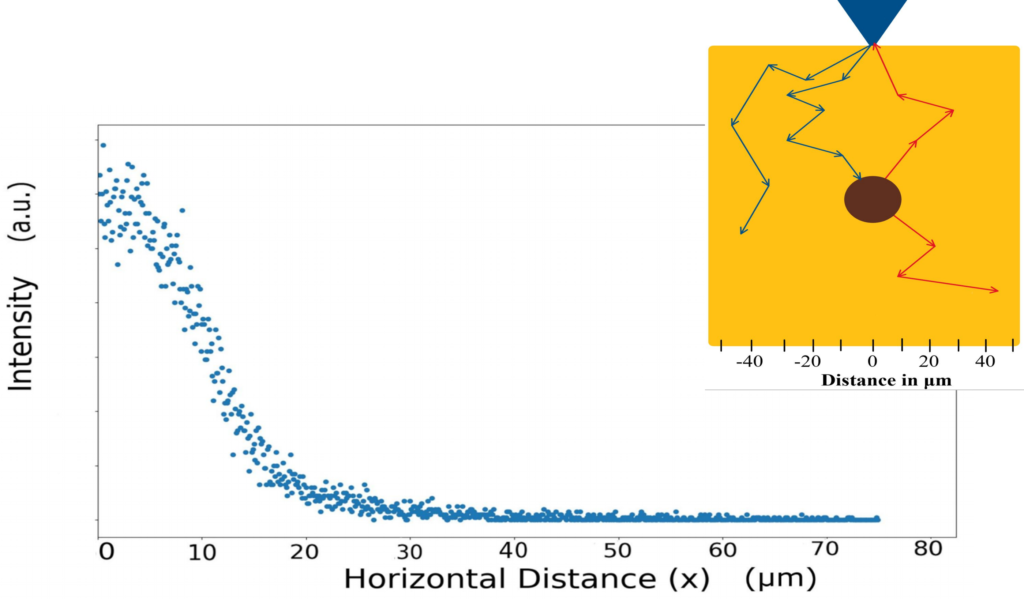
Raman spectroscopy can be a powerful tool for identifying small targets, such as a tumor in a larger tissue. We want to understand the limits of this detection. To better understand these applications, we are creating a Monte Carlo simulation of light scattering in tissue to understand how light gets to and from a small target.
We also make artificial tissues out of gelatin in which we can control the scattering properties. We place microscopic plastic beads in these tissue phantoms to play the role of the cancer cells and test the limits of detection.
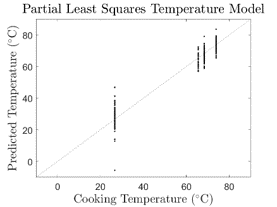
Temperture-induced Changes in Tissue
As tissue cooks or burns, its biochemistry changes. We used Raman spectroscopy to measure these changes. Our machine learning model can determine the degree to which tissue was burned based solely on the Raman spectrum. We hope this one day provides a non-contact tool to assess food safety and/or burn wounds.
Fossils
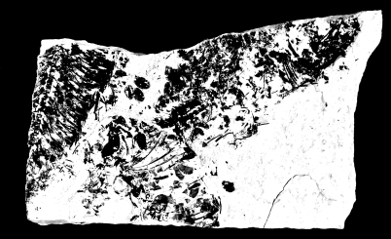
Raman spectroscopy has reportedly detected soft tissues within fossilized remains. We also studied fossils using Raman spectroscopy. While our specimens did not contain soft tissues (likely due to the surrounding redox environment), we were able to establish sample preparation and measurement protocols for studying these unique samples.
Bacteria
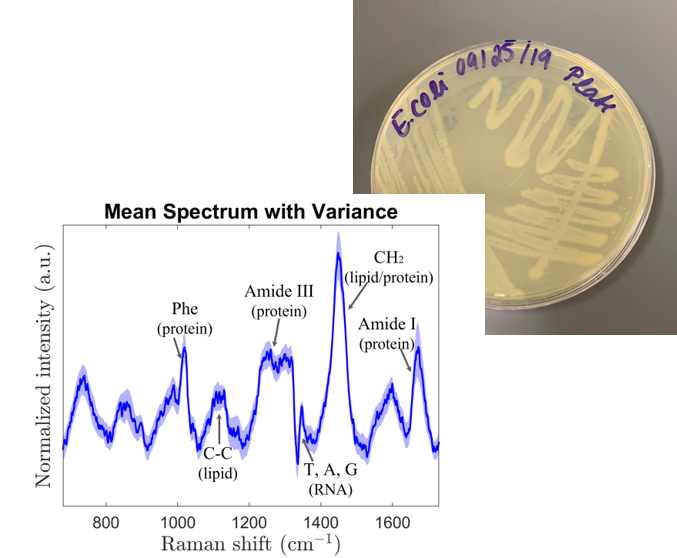
Bacterial infections are currently diagnosed through tissue cultures. These can take several hours or even days. In the meantime, undiagnosed infections can go untreated or the patient can be prescribed potentially unnecessary antibiotics, leading to antibiotic resistant strains of bacteria. Raman spectrosocpy has the potential to quickly identify the presence and species of a bacterial infection, enabling a much faster diagnosis and targeted treatment.
We are also using Raman spectroscopy to study the biochemical response of bacteria to different antibiotic treatments. Deepening our understanding of how bacteria respond to treatments can help make these treatments more targeted and more effective.
